Commercial Lighting Upgrades
Modernize your facility with high-efficiency LED lighting. We design, install, and commission complete lighting retrofits — from warehouse high-bays to office troffers and exterior fixtures — engineered to cut energy use, improve visibility, and qualify for the highest available incentives.
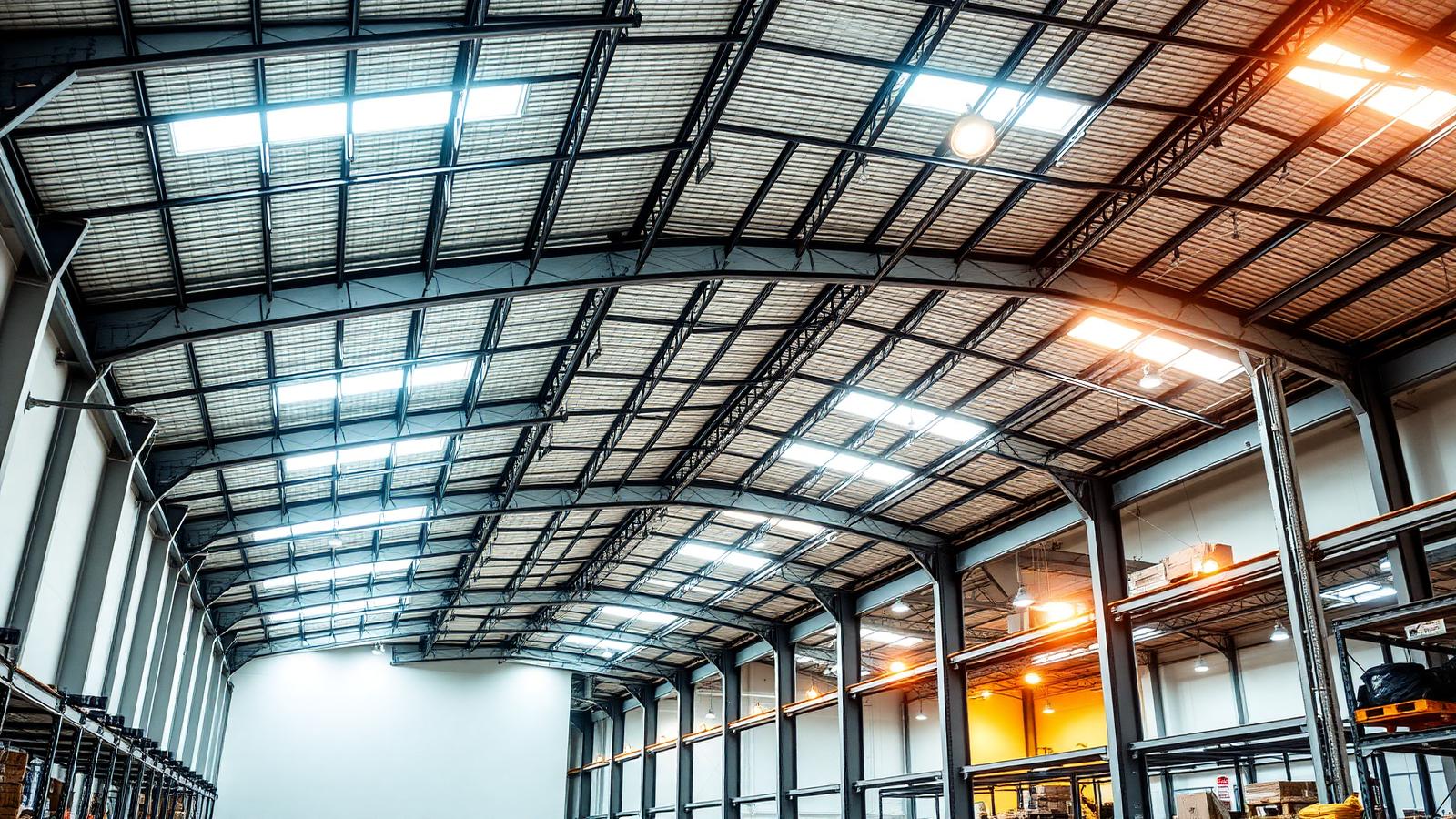
What's Included
LED Retrofits & New Fixtures
Full replacement of fluorescent, HID, and legacy fixtures with premium DLC-listed LEDs tailored to each space.
Lighting Controls
Occupancy sensors, daylight harvesting, and networked controls that compound your energy savings.
Exterior & Parking Lot
Pole, wall-pack, and canopy upgrades that improve safety and reduce after-hours operating costs.
Turnkey Execution
Audit, design, utility paperwork, installation, and post-inspection handled end-to-end by our team.
How It Works
Facility Audit
On-site walkthrough to inventory every fixture, log run-hours, and measure existing light levels.
Engineered Proposal
Photometric design, fixture selection, projected savings, and full incentive modeling.
Installation
Licensed electricians install after-hours or in phases to keep your operation running.
Commissioning & Rebates
Controls tuned, post-inspection passed, and rebate paperwork submitted on your behalf.
Why It Matters
Modern LED systems deliver dramatic energy savings while improving safety, productivity, and the look of your space.
Frequently Asked Questions
Will the project disrupt my operations?+
No. Most installs are completed after hours, on weekends, or in phased zones so your team keeps working without interruption.
Do new LEDs work with my existing wiring?+
In almost all cases, yes. We design retrofits to use your existing circuits and reuse housings where it makes sense to keep costs and disruption low.
How long do the new fixtures last?+
Quality commercial LEDs are rated for 50,000–100,000 hours — typically 10+ years of normal operation — with manufacturer warranties of 5 to 10 years.
What lighting controls should I add?+
We recommend occupancy sensors in low-traffic areas, daylight sensors near windows and skylights, and networked controls in larger facilities where scheduling adds material savings.
Most projects achieve 40–70% lighting energy reduction and pay back in under three years after incentives.